
In March 2026, the Coalition to End Women’s Homelessness and the University of Otago – Ōtākou Whakaihu Waka hosted a research symposium which highlighted key research and insights into the impact of severe housing deprivation on women - particularly women experiencing homelessness, and the implications for their children.
We produced a Research Symposium Paper, which is a record of the research, kōrero and reflections shared on the day.
During the symposium, there was a clear call for more Tiriti-centred, gender-disaggregated data and research, practical application, and solutions for women experiencing severe housing deprivation.
The symposium featured inspiring presentations from: Te Whāriki Manawāhine o Hauraki, Wellington City Council, Manaaki Rangatahi with Mā Te Huruhuru and Pūrangakura, University of Otago, Housing First Auckland and Coalition to End Women’s Homelessness.
Participants - providers, researchers, council representatives, rangatahi services, and advocacy organisations - shared insights that inspired further learning, action, and collaboration. He mihi aroha ki ngā kaikōrero me rātou rōpū.
Dr Kathie Irwin brought the symposium together through her presentation of The Papatūānuku Paradigm by linking today’s housing crisis back to the long history of decisions that have shaped it.
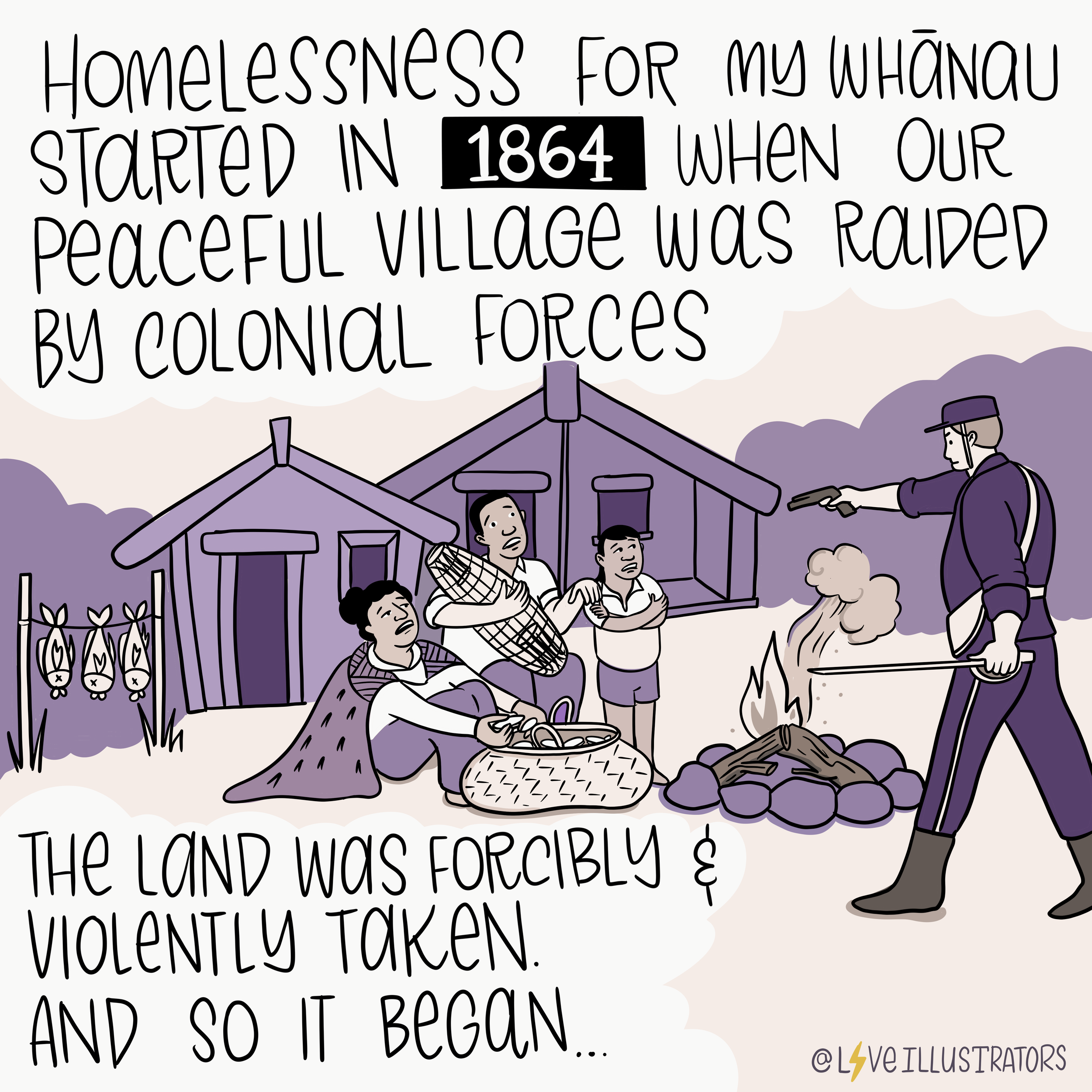
Grounded in te orokohanga and the central place of Papatūānuku, Kathie reframed wāhine Māori homelessness as more than a policy issue - it’s a disconnection from whenua, whakapapa, and atua wāhine. By tracing the clash between Māori and colonial systems, Kathie showed how policy and law have created the conditions that leave wāhine Māori disproportionately unhoused and unsafe on their own whenua.
Kathie’s key message was clear:
“This isn’t accidental - it’s been designed over time, and it can be redesigned with solutions grounded in Te Ao Māori,” she said.